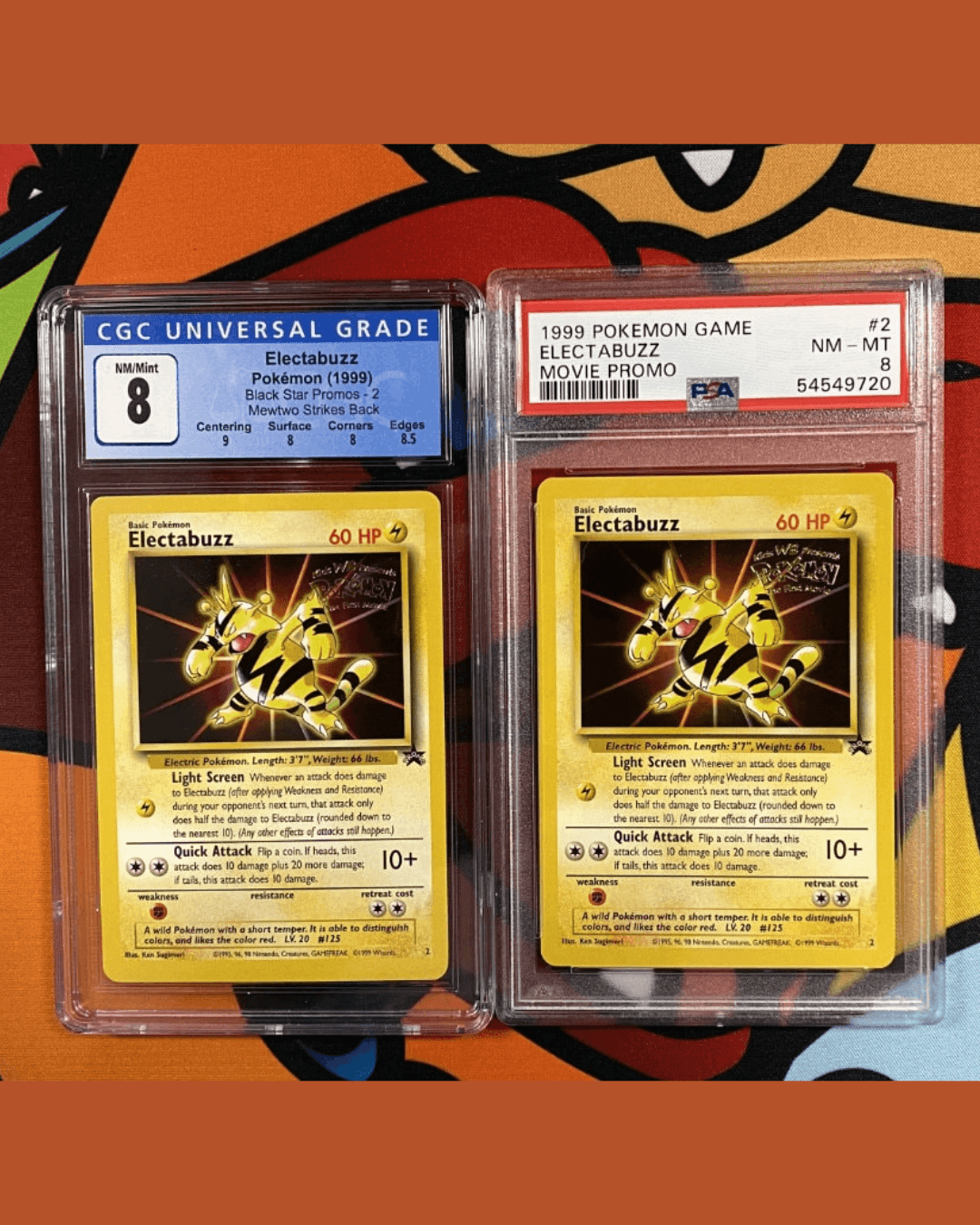
CGC graded over 400,000 cards in November 2025 alone. That's a 95% increase year over year. While PSA was raising prices and killing its cheapest tier, collectors were already voting with their wallets.
One month into PSA's February 2026 price restructure, the grading market looks different than it did 90 days ago. The monopoly isn't breaking. But it's bending.
What PSA Did
On February 10, PSA eliminated the TCG Bulk tier entirely. That was the $18.99 option. The one Pokemon and sports card collectors used to send in stacks of modern cards. Gone.
The new floor is Value Bulk at $24.99 per card. Collectors Club members only. 20-card minimum. 95 business days to get your cards back.
Regular tier hit $79.99. Every tier below Express got a $5 bump. Turnaround times stretched across the board. The message from PSA was clear. If you want cheap grading, look somewhere else.
The CGC Surge
Collectors looked somewhere else.
CGC's 95% year-over-year growth in November 2025 wasn't a blip. It was a trend accelerating. Their Bulk tier sits at $15 per card. No membership required. 25-card minimum. Roughly 40-day turnaround.
The math is brutal for PSA. Twenty cards through CGC: $300. Twenty cards through PSA Value Bulk with the required first-year membership: $648.80. More than double the cost for slower service behind a paywall.
CGC graded 4.92 million cards in 2025, a 121% increase over 2024. PSA still dominates at 19.26 million cards and roughly 72% market share. But the gap is narrowing in real time. Every PSA price hike is a CGC recruiting tool.
BGS Joined the Party
It's not just PSA. Beckett raised its base grading tier from $14 to $14.95 in late 2025. A smaller increase in raw dollars, but it's the direction that matters. Every major grader is pushing prices up.
Of course, Beckett is no longer an independent check on PSA. Collectors Holdings acquired Beckett in December 2025. That means PSA, SGC, and BGS all operate under one corporate umbrella. Three of the four major grading services. One owner.
The only major independent grader left is CGC.
Congress Is Watching
Congressman Pat Ryan of New York sent a letter to the FTC in December 2025 demanding an investigation into Collectors Holdings. His argument: owning PSA, SGC, and Beckett gives one company control of roughly 79% of all cards graded in the United States.
That's not a competitive market. That's a monopoly with a competitor.
No formal FTC investigation has been announced. But the letter is on the record. The consolidation is on the record. And the price hikes that followed the consolidation are on the record.
When one company controls three graders and all three raise prices within months of each other, the antitrust argument writes itself.
What Collectors Are Actually Doing
The conversation in hobby shops and on forums has shifted. A year ago, CGC slabs traded at a meaningful discount to PSA. Dealers wouldn't touch them. Show sellers preferred PSA labels.
That gap is closing. On modern cards, the PSA 10 premium over CGC 10 used to sit at 20-25%. Now it's 5-10% on most titles. For a collector grading a stack of Pokemon or Topps hits worth $30-$50 raw, the slab premium difference doesn't offset PSA's pricing anymore.
The result is a slow migration. Not a mass exodus. PSA still carries the most trusted label in the hobby, especially for vintage and high-dollar cards. Nobody's sending their 1952 Topps Mantle to CGC. But for modern submissions, the value proposition has flipped.
The New Grading Math
Here's where things stand in March 2026.
PSA's cheapest option: $24.99 per card plus $149 annual membership. 95 business days. CGC's cheapest option: $15 per card. No membership. 40-day turnaround.
PSA's Regular tier: $79.99. 25 business days. CGC's Standard tier: $55. Similar turnaround.
For vintage keys, rare pulls, and cards worth $200 or more raw, PSA still makes financial sense. The label premium justifies the cost. For everything else, the numbers favor CGC by a wide margin.
The Crack in the Monopoly
PSA isn't going anywhere. They graded 19.26 million cards last year. They have the population reports, the brand recognition, and the institutional trust that took decades to build.
But they also have a parent company that just bought two of their competitors, raised prices twice in six months, killed the entry-level tier, and drew congressional attention. That's a lot of pressure building in a market where the only real alternative is growing at 95% per year.
The grading monopoly held for a long time because collectors had no viable option. CGC is viable now. The 400,000 cards they graded in a single month prove it. The question isn't whether the grading wars are real. It's whether PSA adjusts before CGC takes enough share to change the market permanently.