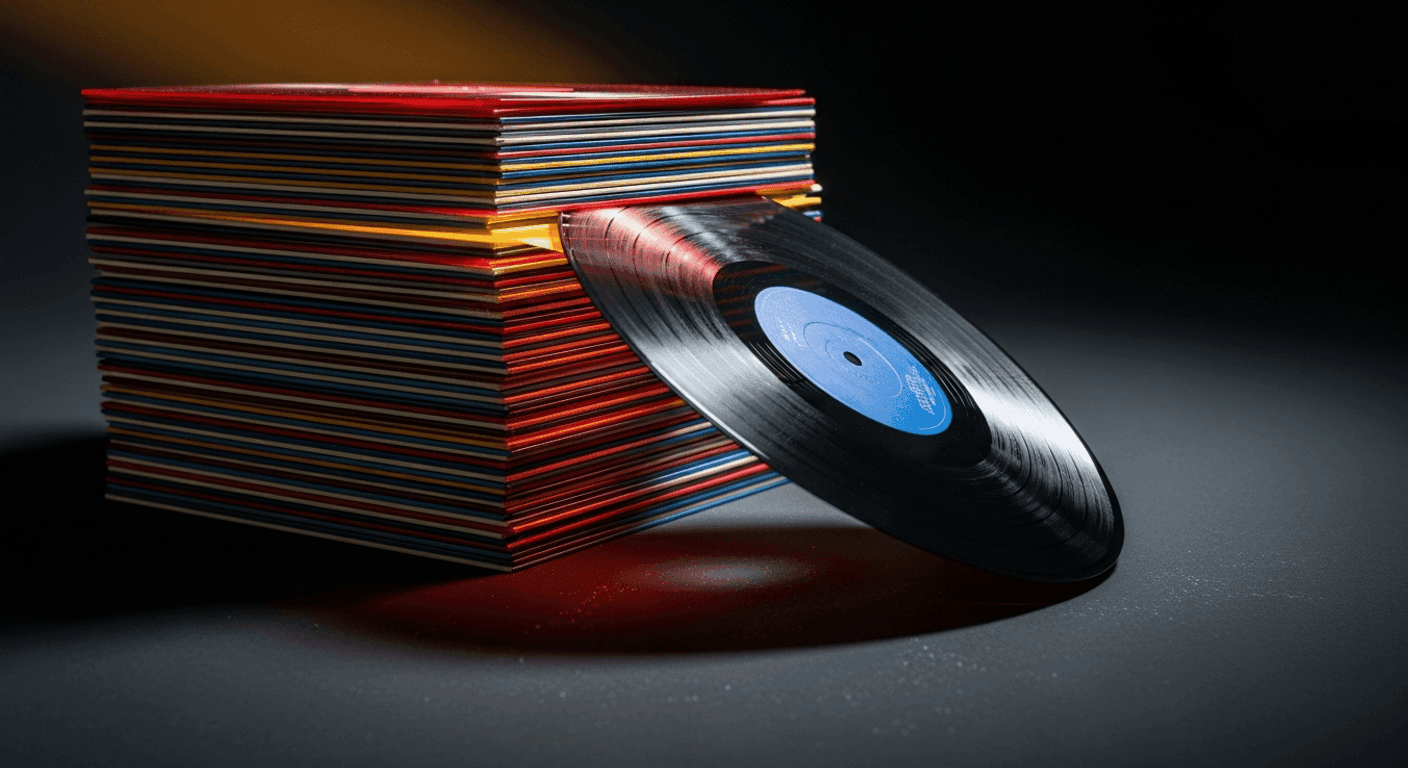
Vinyl records crossed $1 billion in US sales for 2025. First time since 1983.
47.9 million units sold. 19th consecutive year of growth. The format that was supposed to die is now a legitimate collectibles asset class.
The Numbers That Matter
$1 billion in the US alone. Global market projected at $4.18 billion with 10% year-over-year growth.
But here's what makes this a collectibles story and not just a music story. The secondary market is exploding faster than retail.
Limited edition releases are selling out before release day. Taylor Swift's The Life of a Showgirl sold 1.6 million vinyl units in 2025, and rare variants are flipping at multiples of retail on resale platforms.
That's not music fans buying records to play them. That's collectors treating vinyl like trading cards.
The Production Backlog Creates Artificial Scarcity
41% of vinyl purchases face production delays. 33% of orders hit pressing plant backlogs.
There aren't enough pressing plants to meet demand. The ones that exist are running 24/7 and still can't keep up.
When demand outpaces supply, prices go up. When the supply can't physically increase fast enough, the gap widens. That's where collectibles markets thrive.
Limited pressings aren't limited by choice anymore. They're limited by capacity. Every album that doesn't get pressed becomes rarer by default.
Gen Z Is Driving the K-Pop Vinyl Boom
The demographic driving this isn't baby boomers buying Beatles reissues. It's Gen Z and younger buyers treating vinyl as collectibles. K-pop releases dominate this shift.
K-pop vinyl has limited runs. Regional exclusivity. Color variants. Photocards. The entire product structure is borrowed from trading cards and anime collectibles.
BTS, Blackpink, Stray Kids. These releases sell out in minutes. They hit resale markets at 2x to 5x retail before anyone even plays them.
The format is the collectible. The music is secondary.
Vinyl Is Now an Alternative Asset
When limited edition variants sell out instantly and flip at 2x to 5x retail, you're not looking at a music purchase. You're looking at an investment vehicle.
Sealed vinyl is graded now. Discogs has a $4 billion marketplace. Heritage Auctions runs dedicated vinyl sales. The infrastructure that exists for sports cards, comics, and video games now exists for records.
PSA doesn't grade vinyl yet. But someone will. The market is moving that direction.
The 19-Year Growth Streak
This is the 19th consecutive year vinyl sales have grown. 2025 was the peak, but the trajectory started in 2006.
CDs collapsed. Digital streaming took over. Vinyl didn't just survive. It became the physical format.
But the growth curve changed around 2020. That's when sealed vinyl started appearing on investment forums. When limited pressings started selling out before release day. When flipping records became a documented side hustle.
The collector market overtook the listener market.
What to Watch
Production capacity will determine what happens next. If pressing plants scale up, supply meets demand and prices normalize. If they don't, the backlog gets worse and scarcity drives prices higher.
Right now, the backlog is winning. 41% of orders delayed. That number was 28% two years ago.
The longer it takes to press records, the more valuable existing copies become. The more valuable existing copies become, the more people buy them as collectibles instead of consumables.
Vinyl crossed $1 billion because it stopped being just music. It became a collectible format with built-in scarcity, edition numbering, and a functioning secondary market.
That's the same structure that made sports cards a $15 billion market. The same structure that made LEGO sets appreciate 11% annually after retirement. The same structure that turned sealed video games into a $4 billion category.
Vinyl isn't a nostalgia play anymore. It's a collectibles vertical.