On May 22, CNBC ran a feature on how Fanatics "cornered the sports collectibles market." The overproduction worry that lived on hobby forums for two years just got a national TV slot.
As of April 2026, Fanatics holds all three major US sports card licenses at once. MLB, NFL, and NBA. The company that owns Topps sits on top of the entire major-sports card aisle.
Panini's NFL and NBA licenses are gone. Upper Deck still has hockey. Everything else runs through one company now.
That's the setup. The argument over what it means is the story.
One Company, Three Licenses
For years the supply discipline in cards came from a fight. Topps and Panini competed for licenses, for athletes, for shelf space.
That competition is over. With Panini out of the NFL and NBA and Topps under Fanatics, there's no rival pulling supply the other way. One company decides how many cards exist.
Upper Deck is the lone holdout in the majors, and it's holding hockey. Outside of that, Fanatics is the print run.
The Overproduction Number
The number critics keep pointing to is roughly 429 million NBA cards produced in the most recent season, per reporting. That's the figure that anchors the "Junk Wax 2.0" comparison.
The other one is parallels. One base card can spawn around 40 refractor variations. A single player, a single design, multiplied 40 ways before you count the base copies underneath.
That's the glut critics describe. Not a shortage of grails. A flood of everything below them.
What "Junk Wax 2.0" Actually Means
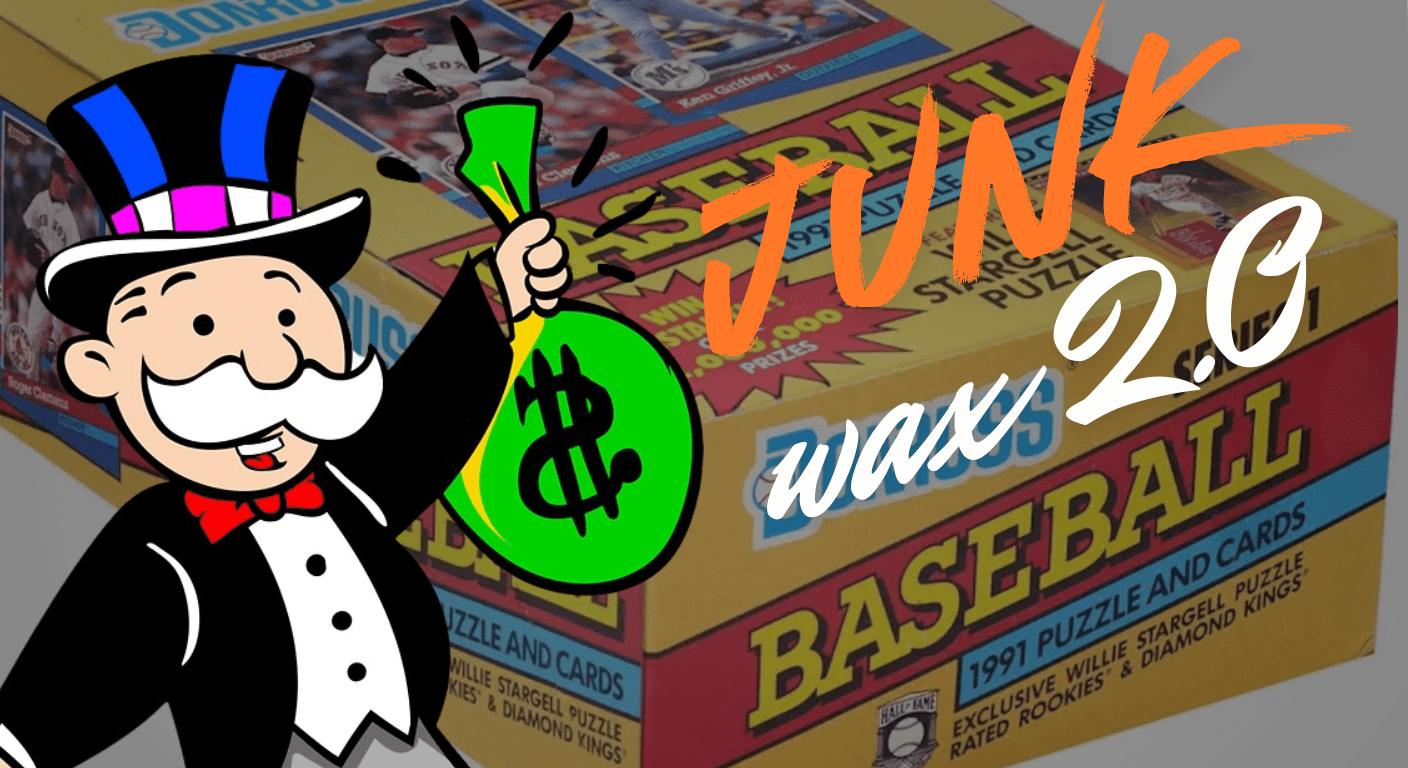
The phrase points back to the late-80s and early-90s, when manufacturers printed so many cards that boxes from the era are still nearly worthless. The fear is a repeat. Print enough cardboard and the bottom falls out.
It's a warning, not a verdict. We covered the same split in March in our K-shaped market and two-markets pieces, and the shape hasn't changed.
The market is bifurcated. Blue-chip and high-end cards keep setting records while base and mid-tier values sit under pressure. A million-dollar Jokic and a $2 base rookie are in the same hobby and barely the same economy.
The Money Behind It
The US trading card market is near $15 billion. The Panini-style segment is around $3.54 billion in 2026.
Some products reportedly doubled in price within a year of the Fanatics handoff. That cuts both ways. It can mean strong demand, and it can mean a single supplier with pricing power that used to be checked by a competitor.
When CNBC reaches for "cornered," that pricing dynamic is what it's describing.
The Steelman
Consolidation isn't automatically bad for collectors, and the case for it is real.
One operator can run cleaner logistics, tighter authentication, and a single supply chain instead of a fractured one. Fanatics has built distribution, grading, and a marketplace under one roof. That can mean fewer fakes, faster fulfillment, and a more coherent product calendar.
And the high end is genuinely strong. The grail market is setting records, the auction infrastructure is deeper than it's ever been, and the buyers at the top aren't going anywhere. A monopoly on licenses doesn't change what a 1/1 Logoman is worth.
The bear case is supply. The bull case is everything around the supply.
What to Watch
The question isn't whether Fanatics controls the aisle. Since April 2026, it does.
The question is whether one company with no licensing rival prints for collectors or prints for volume. The 429 million figure says the early answer leans volume. The record high end says the top doesn't care.
Both can be true at once. That's the K-shape, now with a single hand on the throttle and a CNBC segment telling the rest of the country about it.